 Myrtle Beach: (843) 999-0799
  Opening hours: Mon - Thu: 9am-5pm, Fri 9am-3pm

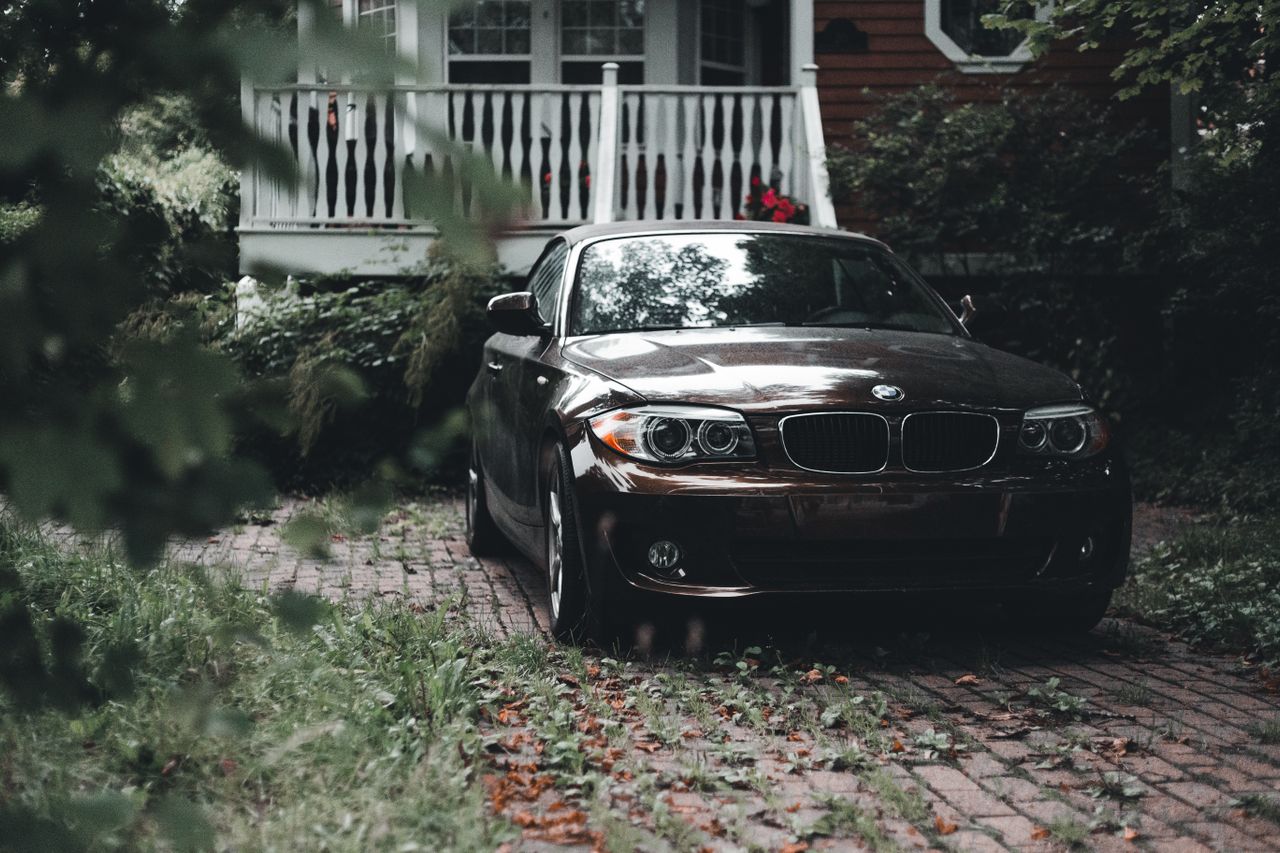
How to Transfer a Car Title After Death in South Carolina

Losing a loved one creates dozens of unexpected tasks, all while you try to grieve. Somewhere between notifying banks, handling insurance issues, and organizing funeral arrangements, families often discover there is a vehicle sitting in the driveway with a title that still bears the deceased person's name. If you have questions about probate, estate administration, or transferring assets after a death, Bespoke Estate Law serves clients with estate planning in Myrtle Beach, Wilmington, and surrounding communities in South Carolina and North Carolina. Contact us today for a complimentary consultation.
The First Question: Who Actually Owns the Vehicle Now?
One of the most common misconceptions is that possession equals ownership. Sometimes a son will have been driving the car for years, or a daughter may have the keys. A surviving spouse may have been making the payments. None of those facts necessarily determine who owns the vehicle after death.
In South Carolina, ownership rights generally pass according to the decedent's estate plan or, if no estate plan exists, according to South Carolina inheritance laws. South Carolina law provides that a person's property devolves to heirs or beneficiaries at death, subject to the administration of the estate. See S.C. Code § 62-3-101. Keep that distinction in mind, because the person ultimately entitled to inherit the vehicle may not be the person currently using it.
Does Every Vehicle Have To Go Through Probate?
Not always. A lot depends on the circumstances surrounding the estate. The way the vehicle was titled, the existence of a will, the value of the estate, and whether probate has already been opened can all affect how ownership is transferred.
Vehicles That May Avoid Probate
Families are often surprised to learn that a vehicle does not necessarily have to pass through a full probate proceeding. South Carolina law provides simplified procedures in certain situations, particularly when an estate falls below certain thresholds or qualifies for alternative transfer methods. Before opening a probate case solely to transfer a vehicle, it is worth determining whether a simpler option may be available.
Vehicles That Are Part of the Probate Estate
In many situations, however, the vehicle becomes part of the probate estate. When that happens, the personal representative appointed by the probate court is generally responsible for gathering, protecting, and ultimately transferring estate assets. South Carolina law grants personal representatives authority to possess and administer estate property during the probate process. See S.C. Code § 62-3-709. Before a vehicle is sold or transferred, it is important to determine whether probate authority is required.
What Documents Are Usually Needed To Transfer a Vehicle Title?
The exact requirements depend on the situation, but most families will end up gathering many of the same documents. The original title is usually at the top of the list, along with a certified death certificate and identification for the person handling the transfer. If probate has been opened, the South Carolina DMV may also require documentation showing the authority of the personal representative.
It is usually easier to collect these records before starting the transfer process. Missing paperwork can slow things down and occasionally require additional trips to the DMV.
What If There Is a Surviving Spouse?
Many people assume a surviving spouse automatically inherits every vehicle owned by the deceased. Sometimes that is true. Sometimes it is not.
The answer depends on how the vehicle was titled, whether a will exists, and who else may have inheritance rights under South Carolina law.
For example, South Carolina's intestacy laws provide specific inheritance rights for surviving spouses when someone dies without a will. Under S.C. Code § 62-2-102, a surviving spouse's share may differ depending on whether the decedent also left surviving descendants.
What If There Is No Will?
South Carolina Intestacy Rules Control
When someone dies without a valid will, South Carolina's intestacy statutes determine who inherits property. In many estates, the surviving spouse and children inherit under a formula established by state law. In others, parents, siblings, or more distant relatives may become the legal heirs.
Those rules are found in S.C. Code § 62-2-101 through 62-2-103 and often surprise families who assumed they already knew how property would be distributed.
Common Mistakes Families Make
Driving the Vehicle Before Ownership Is Established
A vehicle often stays in use after someone passes away. A spouse may continue driving it to work, or an adult child may use it while helping settle the estate. While that may seem harmless, it can create confusion if nobody has taken the time to determine who actually owns the vehicle. Before changing insurance, transferring the title, or making other decisions, it is a good idea to confirm whether the vehicle is part of the probate estate and who has authority to act on behalf of the estate.
Selling the Vehicle Too Early
Families are sometimes eager to simplify matters by selling a vehicle shortly after a death, particularly when a friend, neighbor, or family member has already expressed interest in buying it. The problem is that the person arranging the sale may not yet have the legal authority to transfer ownership. Spending a little time sorting out title and probate issues first can help avoid disputes and paperwork problems later.
Ignoring Probate Requirements
Vehicles occasionally fall through the cracks during estate administration. The family's attention is focused on the house, financial accounts, and other major assets, while the car remains parked in the driveway. Months later, someone discovers the title is still in the deceased person's name and the transfer was never completed. Addressing the vehicle at the beginning of the probate process is usually far easier than trying to untangle the issue after the estate has been largely wrapped up.
Should You Speak With a Probate Attorney?
Some vehicle transfers involve questions about missing titles, multiple heirs, outstanding loans, or disagreements among family members regarding ownership. Those issues can become even more complicated when the estate also contains real estate, investment accounts, or other significant assets.
A probate attorney can help determine whether probate is necessary, identify the proper transfer procedure, and address potential problems before they delay the administration of the estate.
Call an Experienced Estate Planning Attorney For Help With Probate
Transferring a vehicle title after death may seem like a small administrative task, but it often raises larger questions about probate, inheritance rights, and estate administration. Before selling, gifting, or retitling a vehicle, take time to confirm who has legal authority to act. If you need guidance, our team at Bespoke Estate Law is available to assist families throughout South Carolina and North Carolina.